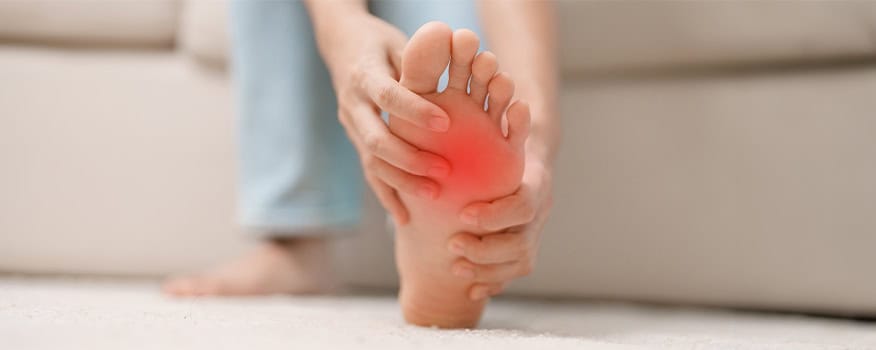
Neuropathy, or nerve damage, is a condition that affects millions of people worldwide. It occurs when the nerves that carry messages between the brain, spinal cord, and the rest of the body become damaged, leading to symptoms such as numbness, tingling, pain, and weakness, typically in the hands and feet.
Neuropathy can range from mild discomfort to debilitating pain and can significantly impact your quality of life. At Washington Care Clinic, we understand how neuropathy can affect everyday activities, and we are here to help you identify its causes and explore effective management options.
Let’s take a closer look at five common causes of neuropathy and how they can be managed.
1. Diabetes
One of the leading causes of neuropathy is diabetes, particularly diabetic neuropathy. When blood sugar levels are consistently high, they can damage the nerves over time, especially in the extremities. This condition is common among individuals with type 1 and type 2 diabetes, and it can lead to symptoms such as burning sensations, pain, and loss of sensation in the hands and feet.
How to Manage Diabetic Neuropathy:
- Control Blood Sugar: The most effective way to manage diabetic neuropathy is to maintain stable blood sugar levels through proper diet, exercise, and medication. Regular monitoring of blood sugar levels is key.
- Medications: Certain medications, such as antidepressants, anticonvulsants, and pain relievers, can help manage the symptoms of diabetic neuropathy.
- Foot Care: Since diabetic neuropathy can cause loss of sensation in the feet, regular foot inspections and proper foot care are essential to prevent injuries and infections.
- Lifestyle Modifications: Regular physical activity can improve circulation and nerve function, while also helping to manage blood sugar levels.
2. Alcohol Abuse
Excessive alcohol consumption can lead to a condition known as alcoholic neuropathy, which occurs when chronic alcohol abuse damages the nerves. Alcohol is toxic to nerves, and prolonged use can interfere with the absorption of essential nutrients like vitamin B12, which is vital for nerve health. Symptoms of alcoholic neuropathy may include numbness, tingling, weakness, and pain, particularly in the feet and legs.
How to Manage Alcoholic Neuropathy:
- Reduce Alcohol Intake: The most important step in managing alcoholic neuropathy is to reduce or eliminate alcohol consumption.
- Nutritional Support: Vitamin B12 supplements and a well-balanced diet rich in essential nutrients can help support nerve health and alleviate symptoms.
- Physical Therapy: Physical therapy can help improve strength, flexibility, and balance, reducing the risk of falls and injuries caused by weakness and loss of sensation.
3. Vitamin Deficiencies
Vitamin deficiencies, particularly deficiencies in vitamins B1 (thiamine), B6, B12, and E, can lead to nerve damage and neuropathy. These vitamins play a critical role in nerve function, and a lack of them can impair nerve communication, resulting in symptoms like pain, tingling, and numbness. Conditions like malnutrition, poor diet, or gastrointestinal disorders that affect nutrient absorption can increase the risk of these deficiencies.
How to Manage Vitamin-Deficiency Neuropathy:
- Supplementation: Taking vitamin B12 and other B vitamins as supplements can help reverse the damage caused by deficiencies. Consult with your healthcare provider to determine the right dosage.
- Dietary Changes: Incorporate foods rich in B vitamins, such as whole grains, leafy greens, and animal products (for B12), into your diet. A well-balanced, nutrient-dense diet is crucial for maintaining nerve health.
- Regular Testing: Work with your healthcare provider to monitor vitamin levels and address deficiencies early to prevent nerve damage.
4. Infections
Certain viral and bacterial infections can cause neuropathy. For example, shingles, caused by the herpes zoster virus, can lead to post-herpetic neuralgia, a condition that causes persistent nerve pain long after the rash has healed. Other infections like Lyme disease, HIV, and leprosy can also cause nerve damage.
How to Manage Infection-Related Neuropathy:
- Treat the Underlying Infection: The primary treatment for infection-related neuropathy is addressing the infection itself with antiviral or antibiotic medications.
- Pain Management: Managing pain through medications, including anticonvulsants or anti-inflammatory drugs, can help reduce symptoms associated with neuropathy.
- Physical Therapy: For nerve recovery and rehabilitation, physical therapy can help improve muscle strength and mobility in affected areas.
5. Autoimmune Diseases
Certain autoimmune diseases, such as lupus, rheumatoid arthritis, and Guillain-Barré syndrome, can cause the body’s immune system to mistakenly attack its own nerves, resulting in inflammation and nerve damage. Inflammatory neuropathy can cause muscle weakness, pain, and numbness, particularly in the legs and arms.
How to Manage Autoimmune-Related Neuropathy:
- Manage the Autoimmune Disease: The key to managing autoimmune-related neuropathy is to control the underlying autoimmune disease through medications such as immunosuppressants, corticosteroids, and biologics.
- Pain Relief: Pain medications, anti-inflammatory drugs, and neuropathic pain treatments like gabapentin or pregabalin can help alleviate symptoms.
- Physical Therapy: In cases where muscle weakness is present, physical therapy can help improve strength and mobility.
How Washington Care Clinic Can Help
At Washington Care Clinic, we are committed to providing comprehensive care to individuals experiencing neuropathy. Our team of specialists can help you identify the root cause of your neuropathy and develop a personalized treatment plan to manage your symptoms. We offer a range of treatments, including:
- Nutritional Counseling: We can guide you in making dietary changes and recommend supplements to address vitamin deficiencies that may be contributing to neuropathy.
- Pain Management: Our clinic offers a variety of pain relief options, including chiropractic care, and alternative treatments such as regenerative medicine.
- Lifestyle Modifications: We provide education on managing conditions like diabetes and alcohol abuse, helping you make positive changes to reduce your risk of neuropathy.
Neuropathy can be a frustrating and debilitating condition but understanding its causes and how to manage them can make a significant difference in your quality of life.
Whether you’re dealing with diabetic neuropathy, vitamin deficiencies, infections, or autoimmune diseases, it’s important to work with a healthcare provider who can guide you toward effective treatment options.
At Washington Care Clinic, we’re here to help you every step of the way, offering personalized care and support to help you manage your neuropathy and get back to living a pain-free life.
Contact us today to schedule a consultation and learn how we can help you manage your neuropathy and improve your overall health.